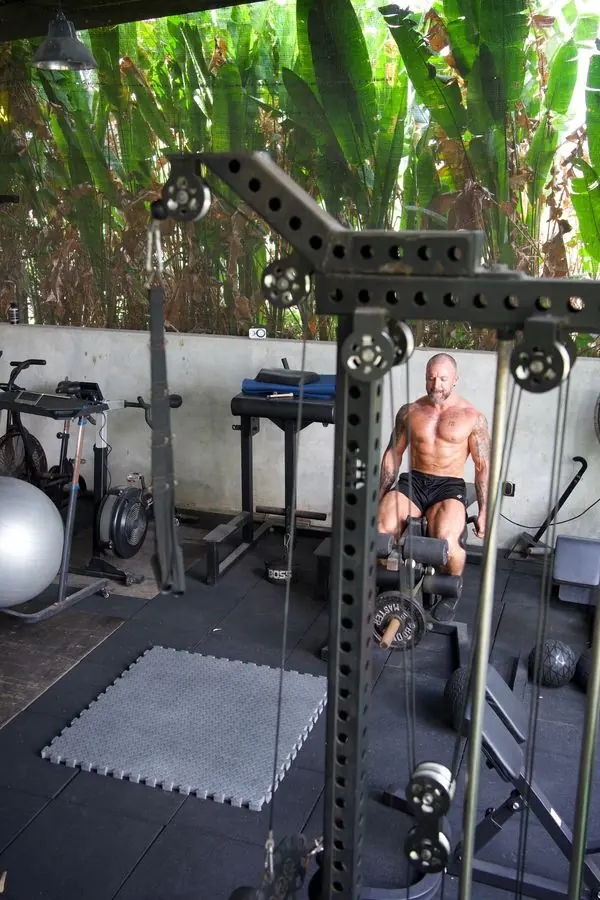
If you're in your 40s and trying to lose body fat while building or maintaining lean muscle, you've probably heard conflicting advice. Some fitness experts swear by fasted cardio, while others insist eating before exercise produces better results.
The truth is that both methods can work, but each has advantages depending on your goals, training intensity, nutrition, and recovery.
For men between 40 and 50, success isn't determined by whether you eat before cardio — it's determined by consistently training, eating enough protein, managing recovery, and maintaining a sustainable calorie intake.
Let's examine the evidence.
What Is Fasted Cardio?
Fasted cardio refers to exercising after an overnight fast, typically first thing in the morning before breakfast.
Most people have gone 8–12 hours without eating, meaning insulin levels are relatively low and stored carbohydrates (glycogen) have been partially depleted.
Common fasted cardio sessions include:
- Walking
- Light jogging
- Cycling
- Incline treadmill walking
- Rowing at moderate intensity
The theory is simple: with lower insulin levels, your body may rely on stored fat for a greater percentage of fuel during exercise.
What Is Non-Fasted Cardio?
Non-fasted cardio means eating before your workout. This could be:
- A protein shake
- Greek yoghurt
- Oats
- Eggs
- Fruit
- Toast with peanut butter
Having food before exercise provides readily available energy, allowing many people to train harder, longer and recover more effectively. Higher training quality often leads to burning more total calories throughout the session.
Does Fasted Cardio Burn More Fat?
This is where many people become confused.
Yes — during the workout itself, fasted cardio may increase the percentage of fat used as fuel.
However, research consistently shows that over days and weeks, total body fat loss is remarkably similar between fasted and non-fasted cardio when calories and protein are matched.
Why? Your body adjusts throughout the day. If you burn slightly more fat during morning cardio, you may burn slightly less later.
Fat loss is driven primarily by:
- Calorie deficit
- Daily energy expenditure
- Protein intake
- Resistance training
- Sleep consistency
Fasted cardio isn't a magic fat-burning shortcut.
Which Method Is Better for Building Muscle?
When muscle retention is the priority, non-fasted cardio generally has the advantage.
Eating protein before training provides amino acids that help reduce muscle protein breakdown. This becomes increasingly important after age 40 because:
- Recovery slows
- Natural testosterone gradually declines
- Muscle protein synthesis becomes less efficient
- Maintaining lean mass requires greater attention to nutrition
If you're performing high-intensity intervals or combining cardio with weight training, eating beforehand often improves performance. Better workouts typically produce better long-term body composition.
Benefits Of Fasted Cardio
Many men enjoy fasted cardio because it:
- Fits into a morning routine
- Feels mentally refreshing
- May improve adherence
- Can increase fat oxidation during exercise
- Doesn't require meal preparation beforehand
It also works well for morning walks, Zone 2 cardio, easy cycling, and recovery sessions.
Drawbacks: lower workout intensity, reduced performance, increased fatigue, greater hunger later in the day, and possible muscle breakdown if nutrition is inadequate. These issues become more noticeable during long cardio sessions or high-intensity intervals.
Benefits Of Non-Fasted Cardio
Eating before cardio often allows you to train harder, lift heavier afterwards, recover faster, maintain muscle mass, and improve workout quality. For men aiming to build muscle while losing fat, these benefits are significant.
Drawbacks: some people experience stomach discomfort, feel sluggish after a large meal, or find it less convenient during busy mornings. Fortunately, these issues are usually solved by eating a smaller meal 30–90 minutes before training.
Which Cardio Is Best For Men Between 40 And 50?
For most healthy men over 40, the answer depends on your primary goal.
Choose fasted cardio if you:
- Prefer early morning workouts
- Mainly walk or perform low-intensity cardio
- Find it easier to stay consistent
- Are trying to increase daily activity
Choose non-fasted cardio if you:
- Want maximum workout performance
- Lift weights after cardio
- Perform HIIT sessions
- Want to prioritise muscle growth
In reality, many successful fitness programmes use both — fasted walks on recovery days, fed strength sessions, fed interval training, and weekend outdoor cycling. Consistency always beats perfection.
Pairing Cardio With The EOD Carb Cycling Method
One effective nutrition strategy for men over 40 is the EOD (Every Other Day) Carb Cycling Method.
Instead of eating the same amount of carbohydrates every day, carbohydrate intake alternates between high-carb days and low-carb days. The goal is to support performance on demanding training days while creating an overall calorie deficit across the week.
High-Carb Days
Best used on heavy weight training days, full-body sessions, leg workouts, and high-volume resistance training. Higher carbohydrate intake helps:
- Replenish muscle glycogen
- Support training intensity
- Improve recovery
- Maintain muscle fullness
- Sustain performance
Protein should remain high, while dietary fat is often reduced slightly to help manage overall calorie intake.
Low-Carb Days
Ideal for rest days, walking, mobility work, light cardio, and recovery sessions. On these days protein stays high, healthy fats increase moderately, and carbohydrates are reduced. This approach helps many people maintain a calorie deficit without feeling deprived every day.
Example Every Other Day Rotation
| Day | Training | Carb Intake |
|---|---|---|
| Monday | Heavy Weights | High Carb |
| Tuesday | Walking | Low Carb |
| Wednesday | Upper Body | High Carb |
| Thursday | Recovery | Low Carb |
| Friday | Full Body | High Carb |
| Saturday | Walking | Low Carb |
| Sunday | Active Recovery | Low Carb or Moderate |
The exact amount of carbohydrates should be tailored to your body weight, activity level, and overall calorie target.
Sample Weekly Plan
Monday — Strength training, high-carb day, optional 15-minute cooldown walk
Tuesday — 45-minute fasted walk, low-carb day
Wednesday — Upper-body workout, high-carb day
Thursday — Fasted incline walk, low-carb day
Friday — Full-body weights, high-carb day
Saturday — Cycling or hiking, low-carb day
Sunday — Stretching and walking, low or moderate carbs
This combination supports fat loss while giving your muscles adequate fuel on demanding training days.
Frequently Asked Questions
Is fasted cardio better for belly fat? No. You cannot selectively burn fat from the abdomen. Overall body fat reduction comes from maintaining a calorie deficit over time.
Should I do fasted cardio every day? Not necessarily. Many people benefit from limiting fasted cardio to low-intensity sessions while fuelling higher-intensity workouts.
Can fasted cardio cause muscle loss? It can increase muscle protein breakdown if overall protein intake and resistance training are inadequate. Eating enough protein throughout the day helps minimise this risk.
Is walking the best fasted cardio? For many men over 40, yes. Brisk walking is easy to recover from, supports heart health, and contributes to daily calorie expenditure.
Does eating before cardio stop fat burning? No. Your body continues to burn fat over 24 hours. Eating before exercise mainly changes the fuel used during that session, not overall fat loss.
Does EOD carb cycling help fat loss? EOD carb cycling can help some people stay consistent with a calorie-controlled diet while supporting performance on demanding training days. Its effectiveness still depends on total calorie intake, protein consumption, training quality, and long-term adherence.
Conclusion
When comparing fasted cardio vs non-fasted cardio, there isn't a universal winner.
Fasted cardio can be an excellent option for low-intensity morning exercise, especially if it helps you stay consistent. Non-fasted cardio generally supports better performance, recovery, and muscle preservation — particularly for men between 40 and 50 who are focused on building or maintaining lean muscle while reducing body fat.
The most effective long-term strategy is one you can sustain. Combine regular resistance training with appropriate cardio, consume sufficient protein, prioritise sleep, and consider an Every Other Day (EOD) carb cycling approach by alternating high-carb training days with low-carb recovery days. This can help fuel challenging workouts while supporting an overall calorie deficit for fat loss.